
Export Desk: +91 7043 505 091 export@www.toughmachinery.com ISO 9001:2015 & CE Compliant Manufacturing

Blog

7 Tips for Buying a Woodworking CNC Router Machine

7 Tips for Buying a Woodworking CNC Router Machine

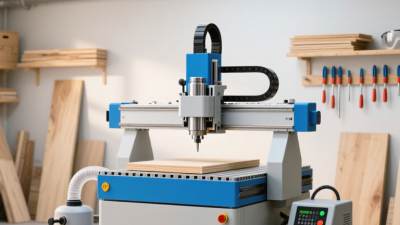
Choosing a Woodworking CNC Router Machine is less about buying the biggest model and more about matching its capabilities to your actual work. A hobbyist cutting signs has different needs from a shop nesting cabinet parts on full sheets. Start by listing the materials, typical project sizes, and weekly workload you expect. Then compare the machine’s cutting area, spindle power, frame construction, and control system against that list. Small details matter. Can the bed support a 4-by-8-foot sheet? Does the spindle suit your usual cutters? Is dust collection practical in your workspace? These questions can prevent costly mismatches. The seven tips in this guide focus on decisions buyers can verify: machine size, rigidity, spindle and tooling, software compatibility, safety features, support, and total ownership cost. Ask suppliers for clear specifications, warranty terms, and realistic examples of cuts in comparable materials. If possible, inspect a working machine or request a sample cut. A polished demonstration is useful, but it may not reveal setup time, noise, or maintenance needs. A larger router is not automatically better, and a low purchase price can hide expenses for tooling, extraction, software, or installation. That is easy to miss. Be honest about what you still need to learn, too. Careful comparison will not guarantee perfect results, but it can help you choose a router suited to your projects, budget, and available space.
Read more »
Avery By:Avery - November 28, 2026
What Is an Industrial Fiber Laser Cleaning System?

What Is an Industrial Fiber Laser Cleaning System?

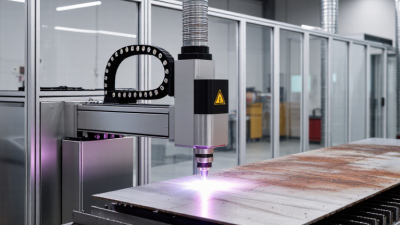
An Industrial Fiber Laser Cleaning System uses a focused beam to remove rust, paint, oxide, or other unwanted layers from a surface. Unlike abrasive blasting, it does not rely on grit striking the workpiece. Instead, laser energy interacts with the surface coating, loosening or vaporizing material when the settings and application are suitable. A typical setup includes a fiber laser source, scanning head, control unit, and protective enclosure or work area. Some systems also use fume extraction, which is important when coatings produce smoke or fine particles. The process looks simple from the outside. The setup is not. Understanding how the system works means looking beyond its power rating. Wavelength, pulse characteristics, scan speed, focus, and the material beneath the coating all affect the result. A steel part with light surface rust may respond differently from painted aluminum or a heat-sensitive component. Operators usually begin with a small test area, inspect the finish, and adjust parameters before treating the full surface. That step can reveal surprises. Laser cleaning is often described as precise and non-contact, but it is not automatically harmless to every substrate, nor does it remove every contaminant equally well. A sound introduction should also explain system types, practical uses, limitations, maintenance, and workplace safeguards. Those details help readers judge whether an Industrial Fiber Laser Cleaning System fits a specific job, rather than relying on a headline specification alone.
Read more »
Charlotte By:Charlotte - November 18, 2026
China Top 10 EV Battery Laser Welding Machine Manufacturers

China Top 10 EV Battery Laser Welding Machine Manufacturers

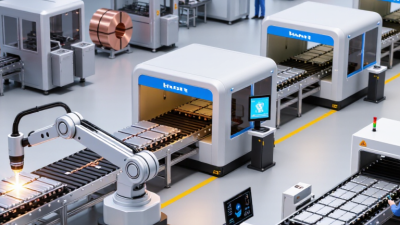
China’s EV battery supply chain is expanding, and laser welding equipment is part of its production backbone. Yet a machine’s brochure does not tell the whole story. Buyers need to examine weld consistency, process control, automation, traceability, and after-sales support. Small gaps matter. A weak joint can disrupt a production line or require costly inspection. EV manufacturing leader Elon Musk has said, “The machine that builds the machine is vastly more important than the machine itself.” His observation applies to battery welding: equipment design and factory integration shape output, not just laser power. For battery cells, modules, and packs, manufacturers must manage heat input and joint quality across materials such as copper and aluminum. Reflective surfaces add difficulty. So do changing part geometries and tight takt times. This guide to China Top 10 EV Battery Laser Welding Machine Manufacturers offers a practical starting point for comparing suppliers. It looks beyond headline specifications to consider application experience, system flexibility, quality assurance, and technical service. These factors deserve verification through sample welds, process data, and direct discussions with engineering teams. A top-ten list cannot settle every purchasing decision. Company capabilities vary, and published information may leave gaps. That is worth keeping in mind. The strongest choice is the supplier whose equipment can prove reliable on your actual battery components and production requirements.
Read more »
Charlotte By:Charlotte - November 13, 2026
China Top 10 5 Axis Fiber Laser Sheet Cutting Systems

China Top 10 5 Axis Fiber Laser Sheet Cutting Systems

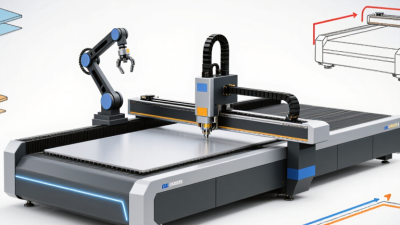
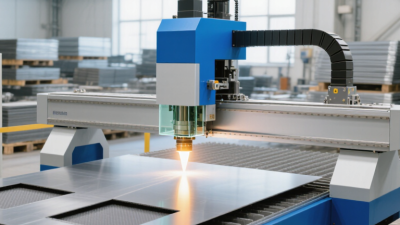
Choosing among China’s leading five-axis fiber laser sheet cutting systems takes more than comparing laser power. A capable 5 Axis Fiber Laser Sheet Cutting System must coordinate its cutting head, motion axes, and control software accurately. That coordination affects bevel quality, corner consistency, and performance on complex parts. In practical terms, buyers should examine the machine’s working envelope, supported sheet thickness, positioning accuracy, and cutting-head design. Ask how the supplier validates specifications, and request sample cuts on material similar to your own. Details matter. This guide introduces ten systems from Chinese manufacturers and compares their stated capabilities, intended applications, automation options, and service support. The list is a starting point, not a universal ranking: a shop cutting stainless steel brackets has different needs from one producing large structural panels. Published specifications can help narrow choices, but they cannot replace a process trial or a clear discussion about maintenance and operator training. Even impressive brochures leave questions. How does the machine behave during long production runs? Are consumables readily available? Those answers deserve careful checking. Some comparisons will remain imperfect because configuration, materials, and local support vary. Readers can use the overview to identify promising candidates, then verify critical claims directly with manufacturers before investing.
Read more »
Avery By:Avery - November 3, 2026
China Top Industrial Fiber Laser Pipe Cutting Machines

China Top Industrial Fiber Laser Pipe Cutting Machines

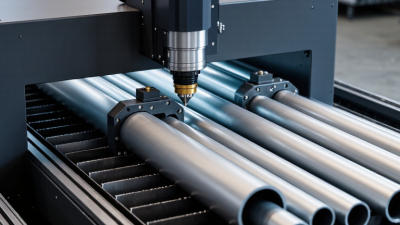
China’s leading industrial fiber laser pipe cutting machines are built for more than speed. They must handle round, square, and rectangular tubes with consistent accuracy. In a busy workshop, that means steady feeding, reliable clamping, and clean cuts through changing wall thicknesses. A focused beam can leave a narrow kerf. Poorly supported tubing can still shift. An Industrial Fiber Laser Pipe Cutting Machine combines a fiber laser source, motion controls, a chuck system, and cutting software. Together, these components shape production quality. Buyers should compare material range, tube dimensions, cutting capacity, automation, service support, and operating costs. A polished specification sheet is useful. A trial cut on the actual material is better. Small details matter, including loading space and how quickly operators can change programs. A named expert quotation would add useful perspective, but no verifiable source was provided for one. Inventing an attribution would weaken trust, so this introduction does not present a fabricated quote. That is a limitation—and a reminder to check claims against real production data. The following guide examines leading Chinese machine options, their practical capabilities, and the questions manufacturers should ask before choosing a system. Performance varies by configuration, material, and process settings. Real results deserve careful review.
Read more »
Ethan By:Ethan - October 29, 2026
China Best Fiber Laser Metal Sheet Cutting Machine

China Best Fiber Laser Metal Sheet Cutting Machine

Choosing the China Best Fiber Laser Metal Sheet Cutting Machine requires more than comparing price tags and advertised wattage. A serious evaluation considers cutting accuracy, source quality, machine stability, software control, and after-sales support. This guide explores how these factors affect daily production, especially when processing carbon steel, stainless steel, and aluminum sheets. In a practical workshop, a Fiber Laser Metal Sheet Cutting Machine should produce clean edges with limited dross. Operators also need reliable autofocus, simple parameter adjustment, and safe access to the cutting area. A stable frame reduces vibration during long production runs. Small details matter. A poorly aligned nozzle can waste material and increase maintenance time. Real performance depends on more than specifications. Material thickness, sheet condition, cutting speed, assist gas, and operator skill all influence results. Buyers should request test cuts using their own materials before making a final decision. Examine the edge quality closely. Check whether holes remain round and whether thin sheets warp after cutting. No machine fits every factory. This article also considers power selection, fiber laser sources, consumable costs, control systems, and supplier credibility. Certifications and documented service procedures can improve purchasing confidence, but they do not replace practical verification. Some manufacturers present impressive data without explaining operating conditions. That deserves careful review. A thoughtful buyer should compare measured results, maintenance requirements, training resources, and long-term support. The goal is not simply to find the fastest machine. It is to choose dependable equipment that supports accurate production, reasonable operating costs, and safer everyday work.
Read more »
Charlotte By:Charlotte - October 24, 2026
What Is a Stickers UV DTF Inkjet Printer?

What Is a Stickers UV DTF Inkjet Printer?

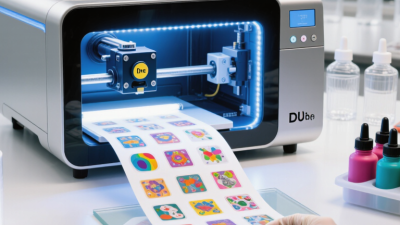
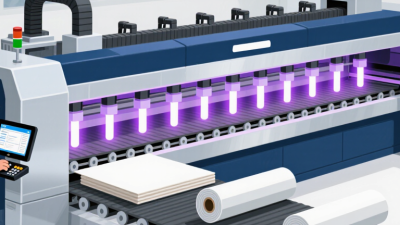
A Stickers UV DTF Inkjet Printer combines piezoelectric inkjet technology, UV-curable inks, and a transfer-film workflow. It prints a sticker design onto coated film, applies white ink and varnish, then bonds the image to a carrier film. After pressing, the design can adhere to bottles, tumblers, phone cases, acrylic panels, and other hard surfaces. The market context is significant. Grand View Research valued the global digital printing market at approximately US$34.02 billion in 2023 and projects continued growth through 2030. Smithers also identifies short runs, customization, and packaging personalization as important drivers for digital print adoption. These figures describe digital printing broadly, not UV DTF alone. That distinction matters. Sean Smyth, a print-industry consultant at Smithers, offers a useful principle: “Digital print earns its place when it adds value, not merely volume.” A Stickers UV DTF Inkjet Printer reflects that idea through low-volume production and detailed graphics. It can reduce weeding work and simplify irregular-surface decoration. Still, it is not magic. Dust, weak adhesive contact, poor curing, and incorrect film settings can create peeling edges or cloudy colors. Operators must test adhesion, flex resistance, and surface compatibility before promising durability. The technology looks simple on a workbench. Production reality is less forgiving. This guide examines its printing process, equipment structure, suitable materials, practical limitations, and the operating choices that influence final sticker quality.
Read more »
Ethan By:Ethan - October 19, 2026
China Top 10 Packaging Box Digital Printer Manufacturers

China Top 10 Packaging Box Digital Printer Manufacturers

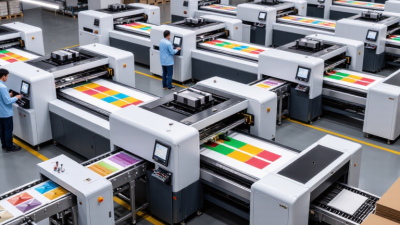
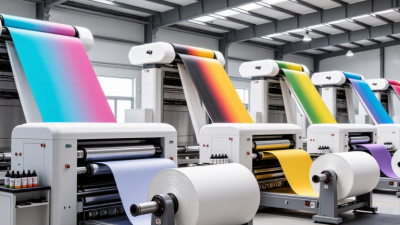
China has become a major source of advanced packaging production equipment. Its manufacturers serve folding carton, corrugated, rigid box, and specialty packaging markets worldwide. This guide examines China’s top 10 Packaging Box Digital Printer manufacturers through practical and technical criteria. The review considers print resolution, color consistency, substrate compatibility, production speed, and automation. It also examines software integration, ink performance, maintenance access, operator training, and after-sales support. These details matter on a factory floor. A printer may produce sharp logos on coated board, yet struggle with dark kraft paper or uneven surfaces. Sample testing remains essential. We also consider total ownership costs, including consumables, service contracts, energy use, and downtime. Manufacturer reputation is reviewed through documented capabilities, customer experience, technical transparency, and international support. Certifications and compliance claims should be verified independently. Marketing language can sound impressive. Real output is more important. No ranking is perfect. Production needs differ. A high-speed machine may not suit short runs or frequent artwork changes. A compact model may offer better flexibility for smaller converters. Some manufacturers disclose limited performance data, which makes direct comparisons difficult. Buyers should request live demonstrations, printed samples, warranty terms, and references from similar facilities. Careful evaluation reduces expensive surprises. This overview aims to provide a balanced starting point for packaging companies seeking reliable digital printing equipment from China.
Read more »
Charlotte By:Charlotte - October 14, 2026
7 Tips for Choosing a Digital Reactive Fabric Printer?

7 Tips for Choosing a Digital Reactive Fabric Printer?

Choosing the right Digital Reactive Fabric Printer can shape your entire textile production process. It affects color accuracy, fabric feel, output speed, maintenance costs, and customer satisfaction. A printer may look impressive in a showroom, yet perform differently with cotton, linen, silk, or blended materials. Real production experience matters here. Before making a decision, examine how the printer handles detailed patterns, deep colors, fine lines, and repeated orders. Ask for printed samples using your actual fabric. A bright sample on coated material may not represent everyday results. Small differences matter. The best machine should support reliable pretreatment, precise ink control, stable drying, and consistent color management. It should also offer practical software, accessible technical support, and clear maintenance instructions. These details often decide whether a machine saves time or creates daily frustration. Do not judge performance by speed alone. Fast printing means little if colors shift between batches or nozzles clog frequently. A dependable supplier should explain ink compatibility, printhead life, warranty coverage, training, and service response times. Request evidence, not promises. This guide explores seven useful tips for choosing a Digital Reactive Fabric Printer. The recommendations focus on real operating conditions, not attractive specifications alone. Still, no checklist is perfect. Your fabric range, order volume, workspace, and team skills may change the final choice. A careful comparison can reduce risk, although unexpected problems may still appear after installation. That is why testing, documentation, and honest supplier communication remain essential.
Read more »
Ethan By:Ethan - October 9, 2026
China Top 10 Textile Sublimation Printing Machines?

China Top 10 Textile Sublimation Printing Machines?

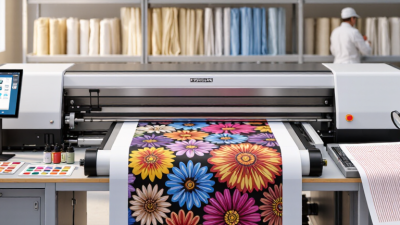
China has become a significant source of textile printing equipment, offering machines for startups, studios, and high-volume production lines. This guide examines the China Top 10 Textile Sublimation Printing Machines with practical selection criteria. A reliable Textile Sublimation Printing Machine should deliver stable color, accurate fabric feeding, and consistent drying. We consider print width, resolution, production speed, ink compatibility, heater performance, and maintenance access. Details such as a 1.6-meter roll path, clean take-up tension, and even drying can affect daily output. Small flaws often become expensive after several production weeks. Our comparison draws on manufacturer specifications, technical documentation, market experience, and reported user feedback. It also considers printhead availability, RIP software support, warranty coverage, operator training, and local service response. These factors matter when polyester fabric must move continuously through a busy workshop. No ranking is perfect. A fast machine may require more frequent calibration. A lower-cost model may offer weaker support. Buyers should test real fabric samples before making a final decision. A sample roll can reveal banding, color shifts, ink bleeding, or uneven winding. We aim to provide a balanced, evidence-based starting point rather than a universal verdict. Readers should verify current specifications, certifications, and total ownership costs with each supplier. That step protects budgets and supports safer, more dependable production planning.
Read more »
Charlotte By:Charlotte - October 4, 2026

Call Us

+91-79-26840551 / 52 / 53
Domestic: +91 7575 009 654 · Export: +91 7043 505 091

Visit Our Works

Plot No.3, Road No.1, Kathwada GIDC, Kathwada, SP Ring Road, Ahmedabad 382430, Gujarat, India

Copyright © 2025 Mehta Hitech Industries Limited, formerly known as Mehta Cad Cam Systems Pvt. Ltd. All Rights Reserved.