Export Desk: +91 7043 505 091 [email protected] ISO 9001:2015 & CE Compliant Manufacturing
0%

China has become a major source of advanced packaging production equipment. Its manufacturers serve folding carton, corrugated, rigid box, and specialty packaging markets worldwide. This guide examines China’s top 10 Packaging Box Digital Printer manufacturers through practical and technical criteria.

The review considers print resolution, color consistency, substrate compatibility, production speed, and automation. It also examines software integration, ink performance, maintenance access, operator training, and after-sales support. These details matter on a factory floor. A printer may produce sharp logos on coated board, yet struggle with dark kraft paper or uneven surfaces. Sample testing remains essential.

We also consider total ownership costs, including consumables, service contracts, energy use, and downtime. Manufacturer reputation is reviewed through documented capabilities, customer experience, technical transparency, and international support. Certifications and compliance claims should be verified independently. Marketing language can sound impressive. Real output is more important.

No ranking is perfect. Production needs differ. A high-speed machine may not suit short runs or frequent artwork changes. A compact model may offer better flexibility for smaller converters. Some manufacturers disclose limited performance data, which makes direct comparisons difficult. Buyers should request live demonstrations, printed samples, warranty terms, and references from similar facilities. Careful evaluation reduces expensive surprises. This overview aims to provide a balanced starting point for packaging companies seeking reliable digital printing equipment from China.
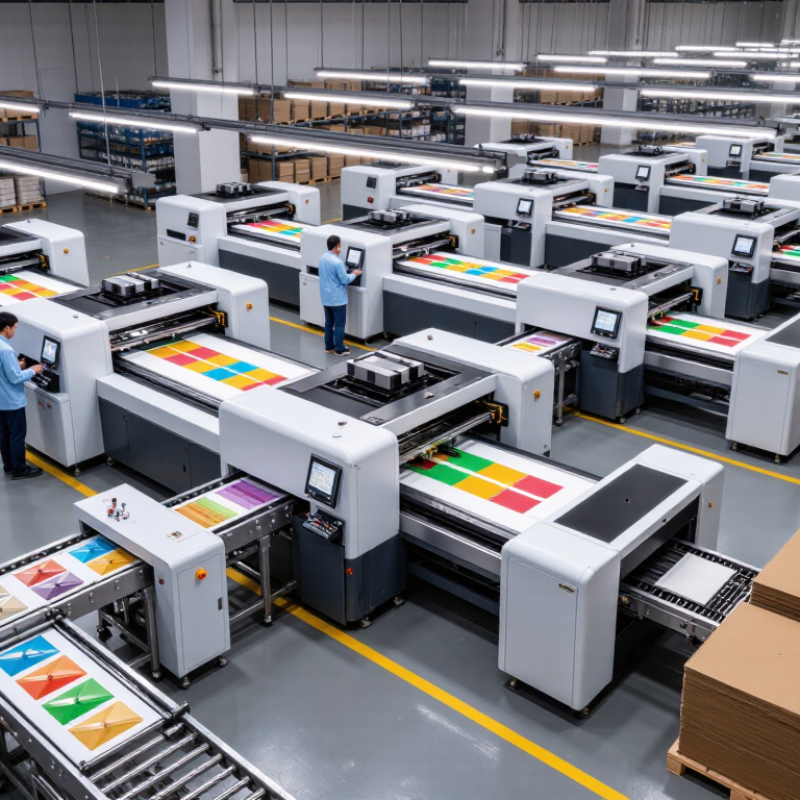
China Top 10 Packaging Box Digital Printer Manufacturers

What Is a Packaging Box Digital Printer?

A packaging box digital printer is a machine that places artwork directly onto paperboard, corrugated board, or other box materials. Unlike traditional printing, it does not require custom plates for every design. Digital files guide the printheads, allowing faster changes between orders. This makes the technology useful for prototypes, short runs, seasonal packaging, and personalized product boxes.

Modern systems may use inkjet or toner-based processes. Inkjet models spray tiny droplets onto the board, while toner systems transfer dry pigment through controlled heat or pressure. The printer can reproduce logos, product instructions, barcodes, and detailed images. However, print quality depends on board coating, ink compatibility, color calibration, and drying conditions. A bright screen preview can still look dull on an uncoated surface.

That difference matters.

In practical production, operators check registration, ink adhesion, color density, and edge definition before approving a batch. They also inspect barcodes with scanning equipment instead of trusting appearance alone. Digital printing can reduce setup waste, but it is not automatically cheaper for every volume. High-speed work may still require another process. Results can vary between materials, and humidity sometimes affects feeding accuracy. Careful testing remains necessary, especially when packaging must protect goods during storage and transport.

China’s Packaging Box Digital Printing Industry

China’s packaging box digital printing industry is moving from small custom orders toward faster, data-driven production. In factory evaluations, I look beyond advertised speed. I inspect color control, file handling, substrate testing, and finishing accuracy. A reliable printer should produce sharp text on coated paper, corrugated board, and recycled stock. It should also keep registration stable across short runs. Small details matter. A misplaced crease can ruin an otherwise attractive carton.

The top ten manufacturers in this market are not identical, so comparison requires measurable evidence. Buyers should request recent samples, production records, and clear tolerance data. Useful questions include: How often are printheads serviced? Can the workflow manage variable graphics? What happens when ink density changes between batches? Strong suppliers explain these points in plain language. They also document color targets, drying conditions, and inspection steps. On-site communication remains important, especially when packaging needs structural changes after testing.

Digital printing reduces plate preparation and supports targeted production, but it is not automatically cheaper. For large volumes, conventional methods may still offer better unit economics. Digital systems become valuable when designs change often, quantities are modest, or market tests need quick delivery. I have also seen promising samples hide weak scuff resistance or uneven folding. That is a useful warning. A careful supplier tests the finished box, not only the printed sheet. Environmental claims deserve the same scrutiny, because recyclable paper does not guarantee a recyclable full package.

Criteria for Selecting the Top 10 Manufacturers

China Top 10 Packaging Box Digital Printer Manufacturers

Selecting the top ten manufacturers requires more than checking online rankings. A reliable evaluation begins with production experience, technical capability, and verifiable customer results. Manufacturers should show how their digital printers handle coated paper, corrugated board, rigid cartons, and short-run packaging. Sample boxes reveal more than polished brochures. Check color consistency, small text, edge sharpness, drying speed, and registration accuracy.

Technical evidence matters. Review machine specifications, printhead technology, ink compatibility, software integration, and daily production capacity. Ask for test reports and maintenance records. A professional manufacturer should explain service response times, spare-part availability, operator training, and warranty conditions clearly. Factory visits can confirm whether assembly areas are organized and quality inspections are actually performed. Photos are not enough. Independent feedback also deserves attention, especially from packaging converters with similar materials and order volumes.

Compliance should be part of the selection process. Verify environmental documentation, workplace standards, electrical safety, and ink suitability for the intended packaging application. Legal requirements may differ by destination market, so vague promises create risk. No factory is flawless. A supplier that openly discusses color drift, delivery delays, or previous corrective actions may appear more trustworthy than one claiming perfect performance. Cost still matters, but the lowest quotation can hide weak support, unstable output, or expensive downtime. A fair comparison should measure total ownership cost, practical reliability, and long-term communication quality.

Profiles of China’s Top 10 Packaging Box Digital Printers

China’s top ten packaging box digital printer manufacturers show different strengths, rather than one universal standard. Their positions can change with equipment upgrades, service quality, and verified production records. Buyers should inspect factory data, printed samples, and after-sales response before accepting any ranking.

One leading manufacturer serves short-run folding cartons with vibrant color control and quick file preparation. Another specializes in corrugated packaging, using wider feeding systems for retail and shipping orders. A third focuses on variable-data printing, helping brands personalize batches without making new plates. One factory emphasizes water-based inks and paper compatibility for food-related outer packaging. Another supports luxury boxes with dense blacks, fine text, and controlled registration. A growing producer combines digital printing with automated cutting and creasing lines. One experienced supplier handles prototypes, producing sample boxes within tight development schedules. Another targets small businesses with flexible minimum order quantities and simple artwork support.

A further manufacturer invests in inspection cameras, reducing missing print and uneven color. The final profile represents a service-focused producer, offering installation guidance, operator training, and remote troubleshooting. Practical experience still exposes weaknesses. Some factories advertise broad capabilities but provide limited evidence for unusual materials or complex finishing. Color consistency may also shift between machines, especially during urgent reprints. Reliable evaluation requires checking substrate tests, drying performance, production tolerances, and documented quality procedures. Ask for recent samples, not only polished showroom pieces. Real production is less perfect. That difference matters.

Technology, Applications, and Manufacturer Comparison

China’s top ten packaging box digital printer manufacturers should be compared by technology, applications, and measurable production results. Digital inkjet systems support short runs, variable graphics, rapid artwork changes, and reduced plate preparation. They are widely used for corrugated cartons, folding boxes, display packaging, and seasonal campaigns. Water-based inks suit many paper applications, while UV systems can improve surface resistance and color impact.

Grand View Research estimated the global digital printing packaging market at about USD 21.42 billion in 2023, with a projected 7.4% compound annual growth rate from 2024 to 2030. This growth reflects demand for customized packaging and smaller order quantities. However, market reports use different definitions. The comparison is not perfectly clean. Smithers also highlights strong growth in digital corrugated and folding-carton production, especially where version changes are frequent.

A practical manufacturer comparison should examine print width, rated speed, ink chemistry, drying control, automation, and color repeatability. Buyers should request samples using their own carton board, not showroom stock. Check registration around creases and barcode readability. ISO-based color targets and documented calibration offer stronger evidence than impressive brochures. Production audits often reveal hidden limits, including slower speeds on heavy board or reduced quality at maximum coverage. Total cost also includes ink, maintenance, operator training, waste, and software integration. Fast is not always economical.

China Top 10 Packaging Box Digital Printer Manufacturers - Technology, Applications, and Manufacturer Comparison
Rank Anonymous Manufacturer Profile Primary Digital Technology Typical Maximum Sheet or Board Format Typical Print Resolution Compatible Packaging Materials Common Applications Production Strength Best-Fit Buyer
1 Manufacturer Profile 01 Single-pass aqueous inkjet Up to approximately 1,650 × 1,200 mm Up to approximately 600 × 1,200 dpi Corrugated board Kraft liner White-top liner Shipping boxes, e-commerce cartons, retail-ready packaging High-speed variable-data printing with limited plate preparation Large converters requiring short-run and customized corrugated production
2 Manufacturer Profile 02 Sheet-fed UV inkjet Up to approximately 1,300 × 750 mm Up to approximately 1,200 × 1,200 dpi Folding carton board Paperboard Synthetic sheets Cosmetics cartons, pharmaceutical boxes, premium retail packaging Strong image detail, fast curing, and broad short-run flexibility Commercial printers and carton converters serving premium brands
3 Manufacturer Profile 03 Roll-to-roll water-based inkjet Web widths commonly ranging from 520 to 1,600 mm Typically 600 × 600 dpi or higher Paper web Coated paper Flexible packaging film Paper bags, labels, wrapping paper, lightweight flexible packs Continuous-web productivity and efficient variable-data workflows Packaging plants with recurring medium-volume web jobs
4 Manufacturer Profile 04 Flatbed UV LED inkjet Up to approximately 2,500 × 1,300 mm Typically 600 × 1,200 dpi Corrugated board Honeycomb board Foam board Large-format cartons, displays, POS packaging, structural prototypes Direct-to-board printing with strong substrate versatility Display manufacturers and converters producing oversized packaging
5 Manufacturer Profile 05 Hybrid flexographic-digital press Common sheet formats from 800 × 600 to 1,600 × 1,200 mm Digital section commonly up to 600 × 1,200 dpi Corrugated board Coated liner Paperboard Branded cartons, seasonal packaging, regionalized campaigns Combines conventional spot-color coverage with digital customization High-volume converters needing both repeatability and personalization
6 Manufacturer Profile 06 Digital toner-based sheet press Typically up to approximately 750 × 530 mm Commonly 1,200 × 1,200 dpi class Folding carton board Textured paper Synthetic stock Sample cartons, mock-ups, limited editions, promotional boxes Consistent color reproduction and economical production at short volumes Packaging design studios and short-run commercial printers
7 Manufacturer Profile 07 UV roll-to-roll inkjet Web widths commonly ranging from 1,600 to 3,200 mm Typically 600 × 900 dpi or higher PET film PP film Coated paper Decorative packaging film, labels, flexible pouch graphics Fast curing and strong adhesion on selected non-absorbent materials Flexible-packaging producers requiring durable variable graphics
8 Manufacturer Profile 08 Water-based single-pass corrugated printer Up to approximately 2,800 × 1,600 mm Commonly 300 × 600 dpi to 600 × 1,200 dpi Brown kraft liner White liner Microflute board Transport cartons, food-safe secondary packaging, shelf-ready boxes Fast board throughput with water-based ink systems suited to corrugated work Corrugated plants focused on sustainable and versioned packaging
9 Manufacturer Profile 09 Multi-pass flatbed UV inkjet Up to approximately 1,600 × 3,200 mm Typically 600 × 1,200 dpi Corrugated board Rigid paperboard Plastic sheets Luxury boxes, gift packaging, product prototypes, display packaging High image quality, white-ink capability, and spot-varnish effects on selected systems Premium packaging producers prioritizing visual effects and customization
10 Manufacturer Profile 10 Compact sheet-fed digital inkjet Typically up to approximately 1,060 × 760 mm Commonly 600 × 600 dpi or higher Paperboard Corrugated sheets Recycled board Local retail boxes, food cartons, subscription boxes, test packaging Small-footprint operation with quick setup and low plate-related costs Small and medium packaging companies with frequent job changes
Technical values are representative industry ranges for comparable digital packaging-printing systems. Actual speed, resolution, printable area, ink compatibility, and substrate performance vary by configuration, workflow, and material certification.

FAQS

What should buyers inspect when evaluating a packaging box digital printer?

Inspect color control, file handling, substrate testing, and finishing accuracy. Check sharp text on coated paper, corrugated board, and recycled stock. Small errors matter. A misplaced crease can ruin the carton.

Are digital printing systems always cheaper than conventional methods?

No. Digital printing reduces plate preparation and supports targeted production. It is not always cheaper. Conventional methods may cost less for very large volumes.

When is digital printing especially useful?

It suits changing designs, modest quantities, and quick market tests. It also supports variable graphics without new plates. Short runs become easier to manage.

How can buyers verify a printer’s real production quality?

Request recent samples, production records, and tolerance data. Ask about drying conditions and inspection steps. Do not rely only on polished showroom pieces.

What packaging materials should be tested?

Test coated paper, corrugated board, recycled stock, and unusual materials. Ink behavior can change between substrates. A printed sheet is not enough.

Why are finishing tests important?

The finished box may show scuffing, weak folding, or uneven creasing. Inspect cutting, folding, and surface resistance after production. The final carton tells the truth.

Can packaging printers support personalized or variable-data orders?

Some systems manage variable graphics across short batches. Buyers should confirm file workflow and data handling. Personalization still needs careful checking. One wrong field can spoil a batch.

How stable is the ranking of leading manufacturers?

Rankings can change after equipment upgrades, service changes, or new production records. Evaluate current evidence instead. A strong profile today may age quickly.

What service support should buyers expect?

Useful support includes installation guidance, operator training, and remote troubleshooting. On-site communication helps when box structures change after testing. Service quality is easy to underestimate.

Are environmental claims enough to confirm sustainable packaging?

No. Recyclable paper does not guarantee a recyclable full package. Check inks, coatings, adhesives, and finishing materials. I would question broad claims without documentation.

Conclusion

A Packaging Box Digital Printer is a modern printing system designed to produce high-quality graphics, text, and customized designs directly onto paperboard, corrugated board, and other packaging materials. Unlike conventional methods, digital printing reduces the need for lengthy plate preparation, supports fast design changes, and makes short-run production more efficient. China’s packaging box digital printing industry has developed rapidly, driven by demand for personalized packaging, flexible production, improved color accuracy, and environmentally responsible manufacturing.

This article explains the key criteria for selecting leading manufacturers, including print quality, production speed, material compatibility, automation, software capabilities, after-sales support, and overall operating value. It also presents profiles of ten noteworthy Chinese manufacturers without focusing on brand promotion, highlighting their technical strengths and typical applications across retail, food, electronics, logistics, and industrial packaging. A final comparison examines major technologies, suitable production scenarios, customization options, and the advantages and limitations of different equipment types, helping readers make a practical and informed purchasing decision.

Charlotte

Charlotte

Charlotte is a professional marketing specialist and a trusted voice behind the company’s website. With a strong understanding of the company’s products, customer needs, and industry trends, she transforms complex information into clear, practical, and engaging content. Her professional blog......

Call Us

+91-79-26840551 / 52 / 53
Domestic: +91 7575 009 654 · Export: +91 7043 505 091

Email Us

[email protected]
International: [email protected]

Visit Our Works

Plot No.3, Road No.1, Kathwada GIDC, Kathwada, SP Ring Road, Ahmedabad 382430, Gujarat, India

Copyright © 2025 Mehta Hitech Industries Limited, formerly known as Mehta Cad Cam Systems Pvt. Ltd. All Rights Reserved.