Export Desk: +91 7043 505 091 [email protected] ISO 9001:2015 & CE Compliant Manufacturing
0%

Choosing the 2026 Best UV Flatbed Printer for Glass Industry requires more than comparing resolution and print speed. Glass is smooth, reflective, fragile, and often difficult to bond with ink. A reliable machine must control vacuum pressure, ink adhesion, curing energy, and panel movement. It should also print clear white layers, sharp fine text, and consistent gradients across large surfaces.

Mike Horsten, an experienced digital-printing executive and industry speaker, has said, “The printer is only one part of the solution; substrate preparation and ink performance matter equally.” That point is practical. A premium printer cannot correct dusty glass, uneven coating, or incorrect curing settings. Operators need repeatable workflows, stable software, and responsive technical support. These details affect real production more than impressive brochure numbers.

This guide examines the UV Flatbed Printer for Glass Industry through measurable performance and daily usability. We consider ink adhesion, white-ink density, registration accuracy, curing consistency, loading safety, and maintenance time. We also look at glass doors, decorative panels, mirrors, shower screens, and architectural samples. Small details matter.

A perfect choice does not exist.

Some models sacrifice speed for finer detail. Others reduce cost but require more frequent calibration. The strongest option depends on glass size, production volume, surface treatment, and customer expectations. Our evaluation recognizes this uncertainty. It combines technical evidence with practical experience, while leaving room for improvement. That honest approach helps buyers select equipment that performs reliably beyond the showroom.
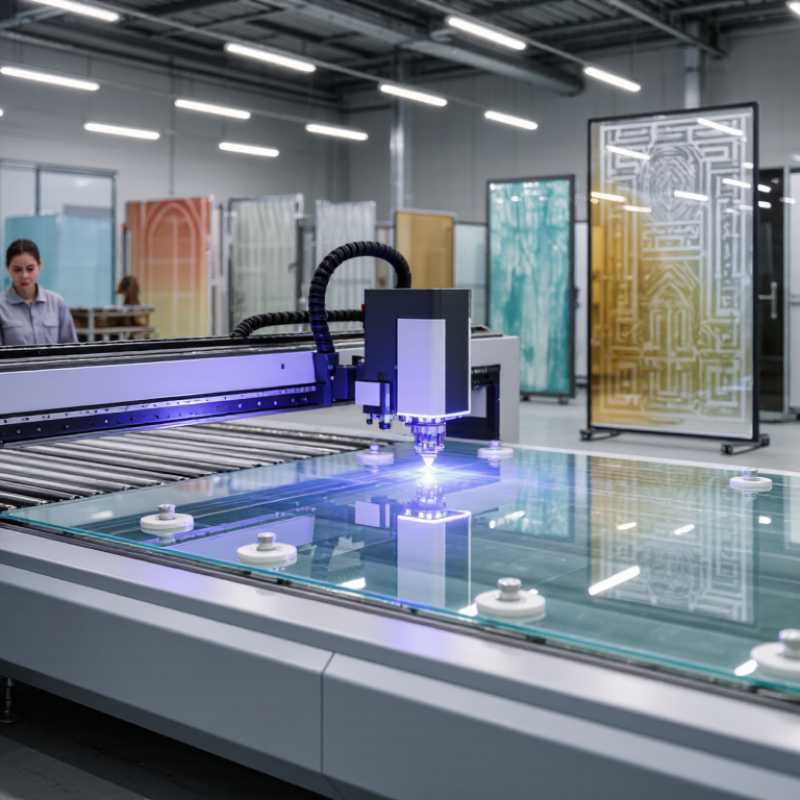
2026 Best UV Flatbed Printer for Glass Industry

UV Flatbed Printing Technology for Glass in 2026

UV Flatbed Printing Technology for Glass in 2026

UV flatbed printing lets glass processors print directly onto panes, tiles, and panels without making a screen for each design. The sheet sits on a flat vacuum bed while UV lamps cure ink during printing. A small test panel matters. Glass coatings, surface oils, and ink adhesion can change the result, even when two panes look identical. Clean the surface, confirm the coating, then test adhesion and scratch resistance after curing. White ink can create opacity on clear glass, but uneven layers may show under bright backlighting.

The market figures offer context, not a glass-specific forecast. Smithers’ report The Future of Digital Printing to 2028 projects digital print value rising from $167.5 billion in 2023 to $251.1 billion in 2028. That broad estimate includes many applications, so it should not be read as demand for glass printing alone. For production teams, the practical measures are more local: usable output per hour, ink consumption, registration accuracy, and reject rates. A sharp sample is not enough. Curved edges, dust, or a slightly misaligned pane can expose flaws on a real job. And curing still deserves scrutiny. A fast pass can look finished, yet adhesion may disappoint later.

Key Features of the Best UV Flatbed Printers for Glass

2026 Best UV Flatbed Printer for Glass Industry

Key Features of the Best UV Flatbed Printers for Glass

A capable UV flatbed printer for glass needs precise ink placement and a stable vacuum table. Glass is smooth, heavy, and unforgiving. Even slight movement can blur fine lines or shift a small logo. Look for adjustable print height, reliable alignment tools, and a bed that supports the panel evenly. A suitable UV ink system should produce consistent color and cure evenly across the surface. Clear and white inks are useful for layered effects, especially on transparent glass. Still, results depend on ink compatibility, surface preparation, and the printer’s curing settings.

Durability matters as much as appearance. Ask for adhesion tests on the exact glass type and finish you plan to print. A sample should be checked after curing, not just while it looks fresh. Fine scratches or edge lifting can show up later. Printhead maintenance, accessible service points, and steady production speeds also affect day-to-day reliability. Faster is not always better.

Tips: Clean glass carefully, handle edges safely, and test a small panel before a full run. Record the surface treatment, ink settings, and curing conditions. That makes repeat jobs easier. One detail is easy to overlook: different glass coatings can behave differently, even when two panels look identical.

2026 Best UV Flatbed Printer for Glass Industry – Key Features of the Best UV Flatbed Printers for Glass

Feature What to Look For Why It Matters for Glass What to Verify Before Purchase
Print-bed size Choose a usable bed area that accommodates the largest glass panels and production layouts you expect to print. Glass products range from small decorative pieces to large architectural panels; the printable area determines what can be produced in one pass. Confirm the actual printable dimensions, usable margins, and whether the specified area changes when fixtures are installed.
Maximum media thickness Select a printer with sufficient clearance for the thickest glass, including any carrier, jig, or protective support. Glass thickness varies by application, and the printhead must maintain a safe gap above the surface. Check the stated maximum thickness and test the intended glass and fixture together. Do not assume all flatbed models accept the same thickness.
Table and workholding Look for a level, stable bed and a suitable way to secure the glass, such as vacuum zones, edge stops, or custom fixtures. Movement during printing can cause registration errors, while unsupported glass may be difficult to position consistently. Ask how the machine handles small pieces, irregular shapes, and glass that cannot be held securely by vacuum alone.
White-ink capability For colored, tinted, or transparent glass, consider a configuration that supports white ink and layered printing. White ink can provide an opaque backing or visible design layer where CMYK inks alone may appear translucent against glass. Confirm supported print sequences, white-ink circulation or agitation features, and how the workflow handles underprints and overprints.
Ink adhesion and durability Use inks and any required pretreatment that are validated for the specific glass type and intended use. UV ink cures on the surface, but adhesion and resistance to scratching, moisture, cleaning, and handling depend on the ink, surface preparation, and application. Request test prints on the actual glass and assess adhesion and durability using tests relevant to the finished product. Follow the ink supplier’s preparation instructions.
UV curing system Check that the curing system is compatible with the specified ink and offers suitable control for the planned print layers. Appropriate curing is necessary to form the printed ink film; glass thickness and composition can affect how the finished product responds to heat and process conditions. Verify curing settings with the ink supplier and test the complete print process on the intended glass. Avoid assuming one setting suits every ink or glass type.
Print registration and accuracy Look for repeatable positioning features, stable media alignment, and a workflow for multi-layer printing. Precise registration is important for white underprints, color layers, varnish, and repeated production runs. Evaluate sample prints and repeatability on the actual job size. Treat advertised resolution as one specification, not a guarantee of finished image quality.
Surface preparation Plan for clean, dry, dust-free glass and any primer or adhesion promoter required by the ink system. Contaminants and incompatible coatings can reduce adhesion or create visible defects in the print. Confirm the cleaning and pretreatment procedure for coated, textured, laminated, or otherwise treated glass before production.
Varnish and special effects If required, check for clear ink or varnish options and the ability to print selected gloss or textured areas. Clear coatings can add a visual or tactile finish, but they also introduce extra process steps and compatibility requirements. Review samples made with the proposed ink set and confirm whether the finish is suitable for the product’s cleaning and handling conditions.
Production workflow Consider loading access, job setup, fixture changes, cleaning routines, and software support for repeat jobs. In glass production, handling and setup time can affect throughput as much as the printer’s nominal print speed. Ask for a timed demonstration using a representative job, including positioning, printing, unloading, and routine maintenance.
Operator and equipment safety Review UV-light shielding, ventilation guidance, safety interlocks, and the manufacturer’s operating instructions. Safe operation requires appropriate controls for UV exposure, ink handling, and the movement of heavy or breakable glass. Check the applicable workplace safety requirements and provide suitable training and handling procedures for operators.

Selection note: Printer capabilities vary by model and ink system. Validate specifications, adhesion, print quality, and durability using the glass, artwork, and production process intended for the application.

Glass Preparation and UV Printing Workflow

For the glass industry, selecting the 2026 best UV flatbed printer starts with preparation, not speed. Glass is smooth, reflective, and unforgiving. Fingerprints can weaken adhesion and create visible defects. I learned this through repeated test runs. Small cleaning errors became large production problems. Wipe each panel with a lint-free cloth and suitable glass cleaner. Allow the surface to dry completely. Inspect it under angled light. Tiny dust particles matter.

Use a stable jig to prevent movement during printing. Measure the glass thickness before setting the printhead height. A safe gap reduces collision risks and protects image sharpness. Test the selected ink, primer, white layer, and varnish on a sample piece. Cure each layer according to the equipment settings. Do not assume one profile suits every glass type. Tempered, laminated, and coated glass can react differently. A test swatch saves expensive rework.

Keep the artwork aligned with physical reference marks. Print dense colors gradually when possible. Excessive ink may appear attractive, but it can reduce adhesion. I sometimes prefer a lighter first pass, although this can lower color impact. That trade-off deserves review. Check edges, transparency, curing, and scratch resistance after printing. Record temperature, humidity, cleaning method, and curing settings. Consistent records support reliable production and make troubleshooting less dependent on guesswork.

How to Evaluate UV Flatbed Printer Performance

The 2026 Best UV Flatbed Printer for Glass Industry should be judged by measured performance, not brochure speed. During testing, print a fine-line chart and a 1 m² glass panel. Check registration, edge sharpness, banding, and color consistency across the entire surface. A 1,200 dpi claim means little if ink droplets spread on smooth glass.

Adhesion deserves a harsher test. Clean the glass, print solid color blocks, and allow full curing. Then use a cross-cut test based on ISO 2409, followed by tape removal and light abrasion. Record failures, not only successful samples. UV output should remain stable during long runs, because under-curing can cause tacky surfaces and poor durability. Measure curing energy, ink consumption, and operating temperature. Small details matter.

FESPA’s Print Census 2023 reported that 65% of surveyed print businesses experienced sales growth, increasing pressure for reliable production and shorter delivery times. A printer should therefore be evaluated by sustained throughput, not peak speed. Smithers’ digital print market analysis also highlights continued expansion in customized, short-run production. That trend favors fast job changes, accurate color profiles, and dependable media handling. Test transparent, frosted, and textured glass. Expect surprises. My practical concern is often overlooked: operators may value easy cleaning more than another hundred millimeters per second. Track downtime for a week before deciding.

2026 Best UV Flatbed Printer for Glass Industry

How to Evaluate UV Flatbed Printer Performance

This practical evaluation framework prioritizes the factors that most directly affect glass-printing quality and production reliability. Adhesion and print consistency receive the highest weighting because glass is a smooth, non-absorbent substrate. Actual testing should include adhesion checks, color measurements, curing verification, repeatability tests, and productivity trials using the intended glass types and ink system.

The percentages represent a neutral procurement model for comparing printer performance; they are not manufacturer or brand specifications.

Safety, Maintenance, and Industry Applications

Choosing the 2026 best UV flatbed printer for the glass industry requires more than checking print resolution. Safety and maintenance should guide the decision. UV curing lamps need shielding, interlocks, and clear operating procedures. Operators should wear suitable eye and skin protection during service work. Good ventilation also matters, especially in enclosed production rooms.

Glass must be clean, dry, and firmly supported before printing. Fingerprints can weaken adhesion. A small test panel should confirm ink bonding, curing, and color accuracy. I recommend checking white-ink circulation every day. Nozzle tests can reveal early clogging. Wipe the printhead carefully, because excessive pressure may cause permanent damage. Keep the table free from glass dust and liquid residue.

Industry applications include shower panels, interior partitions, signage, decorative bottles, and retail displays. A reliable printer should handle different glass thicknesses without unstable positioning. Adjustable vacuum zones can reduce movement during printing. However, no machine removes the need for operator judgment. Some textured or coated glass surfaces remain difficult. I would test them repeatedly before promising production consistency. Maintenance records should include cleaning times, nozzle results, lamp hours, and failed samples. Small omissions become expensive later.

FAQS

How does UV flatbed printing work on glass?

The glass rests on a flat vacuum bed. UV lamps cure the ink during printing.

Why is a small test panel necessary?

Coatings, oils, and surface texture can change adhesion. Test before printing the full pane.

What printer features matter most for glass?

Choose stable vacuum support, adjustable print height, accurate alignment, and even curing. Glass reveals small errors.

Can white ink create strong images on clear glass?

Yes. White ink can add opacity and layered effects. Uneven layers may appear under bright backlighting.

How should printed glass be tested for durability?

Let the ink cure fully. Then check cross-cut adhesion, tape removal, scratches, and edge lifting.

What performance measurements should production teams record?

Track usable output per hour, ink consumption, registration accuracy, curing energy, temperature, and reject rates.

Is advertised printing speed enough for choosing a printer?

No. Test a one-square-meter panel and fine-line chart. Faster is not always better.

How do different glass surfaces affect printing?

Transparent, frosted, textured, and coated glass may behave differently. Two similar-looking panes can produce different results.

What practical maintenance details should operators consider?

Check printhead access, cleaning time, service points, and downtime. I might value speed too much.

How can repeat printing become more consistent?

Record the glass treatment, ink settings, curing conditions, and alignment details. Small notes prevent repeated mistakes.

Conclusion

In 2026, the UV Flatbed Printer for Glass Industry will combine precise digital control, high-resolution imaging, reliable ink adhesion, and efficient curing to meet the growing demand for customized glass products. The best systems will support different glass sizes and thicknesses, offer accurate color management, and provide flexible control over white ink, varnish, and layered printing effects. They should also deliver stable performance, fast production speeds, and consistent results across architectural glass, interior decoration, signage, packaging, and other applications.

Successful UV printing begins with proper glass preparation, including cleaning, drying, positioning, and, when necessary, the use of a suitable adhesion promoter. Operators should evaluate print quality, registration accuracy, curing performance, productivity, operating costs, and ease of maintenance. Regular cleaning, ventilation, lamp inspection, and safe handling procedures are essential for dependable operation. With thoughtful equipment selection and a controlled workflow, UV flatbed printing can provide durable, visually appealing, and efficient solutions for modern glass manufacturing.

Avery

Avery

Avery is a dedicated marketing professional with a strong understanding of business strategy, customer needs, and product communication. As a key contributor to the company’s marketing team, Avery regularly publishes insightful articles on the company website, sharing practical knowledge, industry......

Call Us

+91-79-26840551 / 52 / 53
Domestic: +91 7575 009 654 · Export: +91 7043 505 091

Email Us

[email protected]
International: [email protected]

Visit Our Works

Plot No.3, Road No.1, Kathwada GIDC, Kathwada, SP Ring Road, Ahmedabad 382430, Gujarat, India

Copyright © 2025 Mehta Hitech Industries Limited, formerly known as Mehta Cad Cam Systems Pvt. Ltd. All Rights Reserved.